When your 104-pound dog collapses from an autoimmune crisis like SRMA, your entire perspective on your home layout changes overnight. You quickly realize that slick hardwood, standard doorways, and patio steps are suddenly major physical hazards.
Because Molly’s rear legs grew incredibly weak during her initial crisis and subsequent long-term prednisone tapers, we had to adapt our environment completely to help her stand up, steady her gait, and navigate the outside world safely.
If you are bringing home a large breed dog dealing with severe hind limb weakness or coordination issues, you do not have to feel helpless. Here is the exact breakdown of the real-world, non-slip gear and structural adjustments that kept Molly safe, stable, and moving forward:
1. The Runner Rug Network
If your home has hardwood, laminate, or tile flooring, it can feel like slick ice to a recovering dog struggling to gain traction. To prevent Molly’s paws from constantly sliding out from under her—which causes intense panic and puts painful twisting strain on her spine—we turned our home into a highway of runner rugs.
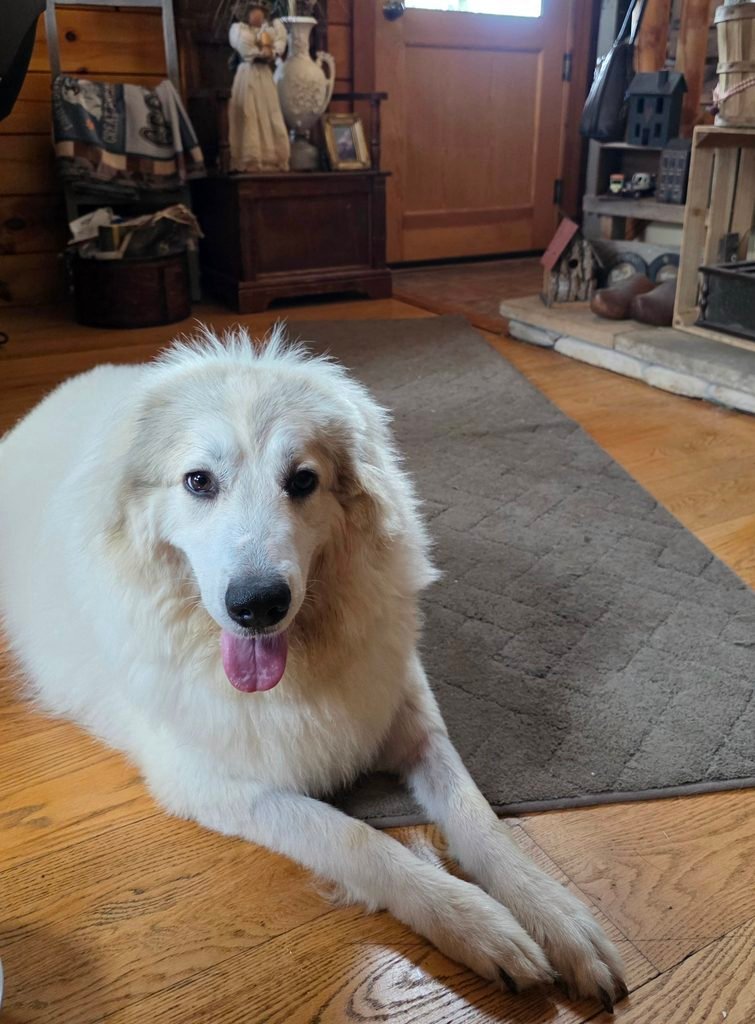
We laid heavy-duty, rubber-backed carpet runners across every major walkway, connecting her favorite sleeping spots directly to the doors. This allows her to move confidently from rug to rug with full grip under her feet.
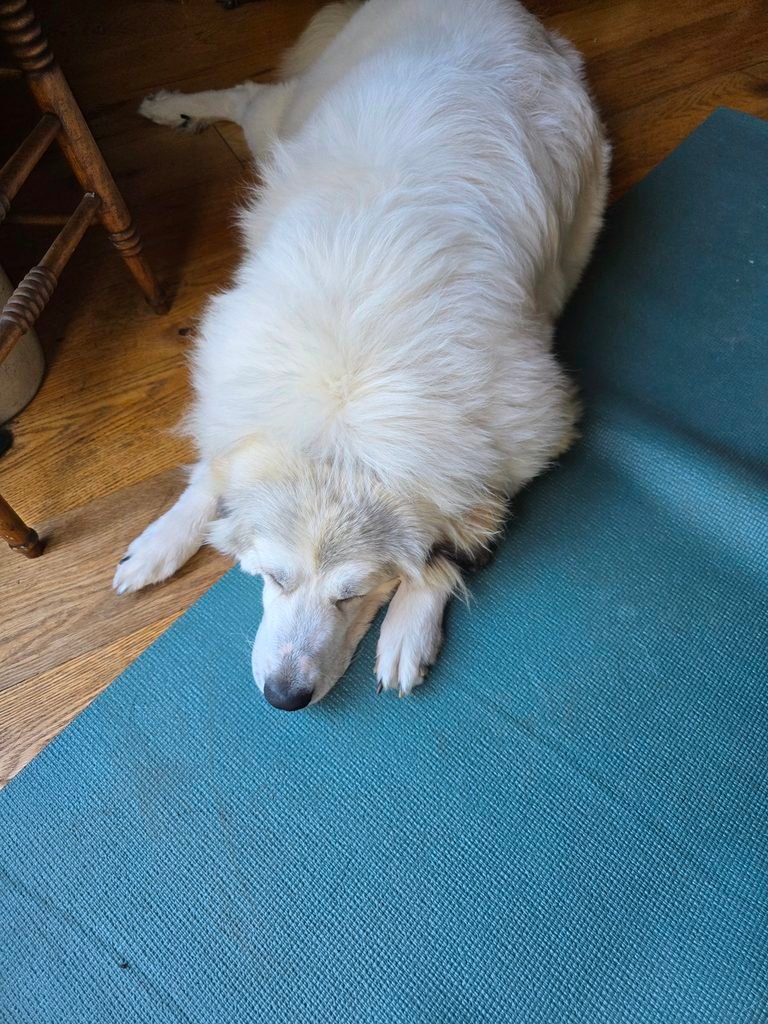
Cheap and effective alternatives to heavy runner rugs that can get quite expensive include lightweight budget-friendly options like yoga mats, rubber shelf liners and interlocking foam tiles that provide immediate traction on smooth hardwood floors. These options are easier to clean, lift, and reposition that heavier textiles.
2. The Mobility Assistance Support Harness
Lifting a giant breed off the ground when their rear legs are giving out can easily injure both your back and your dog’s joints. A supportive, full-body rear-lift harness became an absolute necessity for us. Helping up
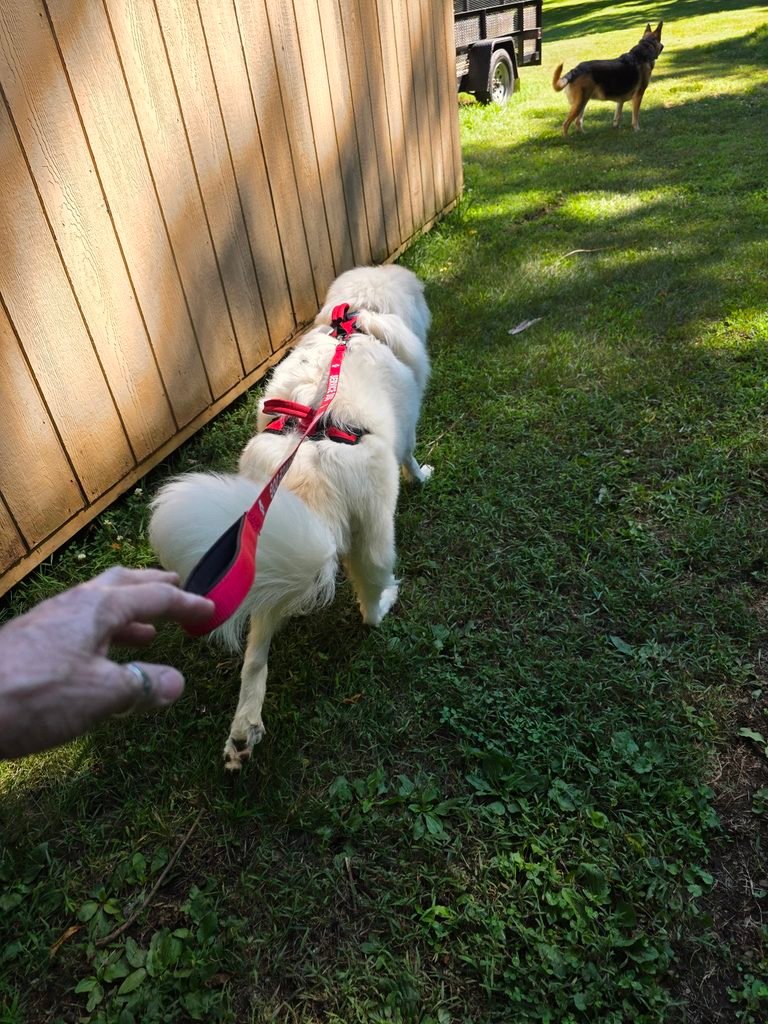
Instead of pulling or lifting her awkwardly, the support harness features durable straps that allow us to gently stabilize her hindquarters and lift her weight evenly from a resting position. It also allows us to guide her steps like a handle, taking the strain off her weak lower spine while she walks around the outside of the house for her daily bathroom breaks.
3. Our Lift Equipment of Choice: The LAFOTY Dog Lift Harness
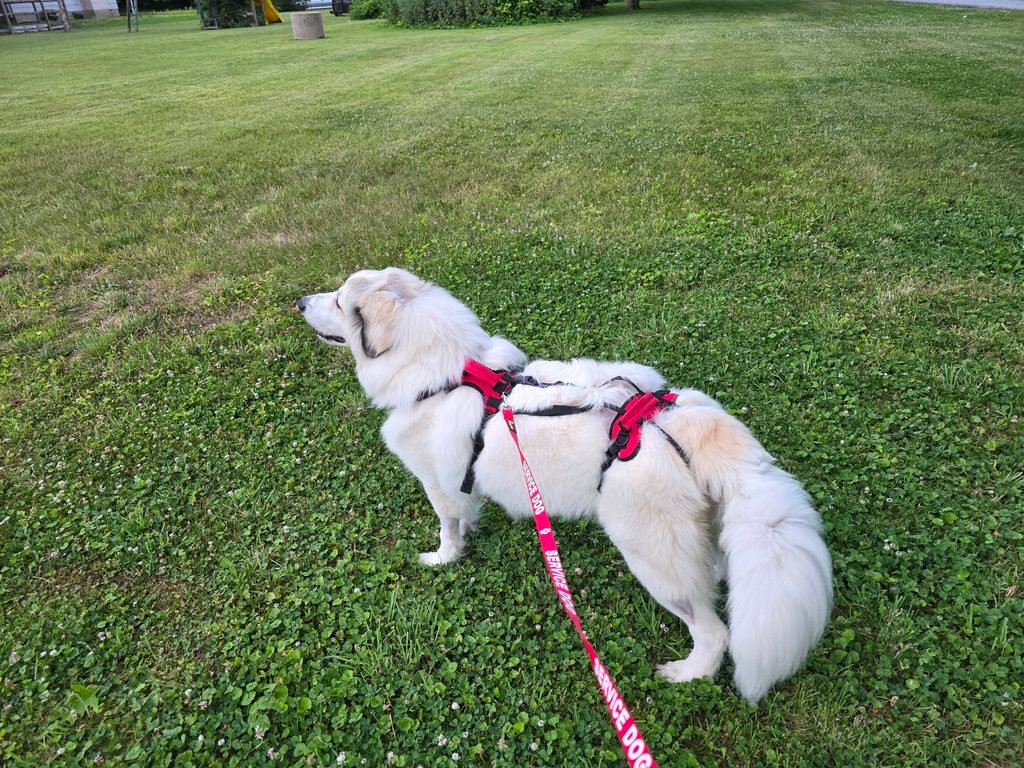
Lifting a giant breed off the ground when their rear legs are giving out can easily injure both your back and your dog’s spine, making a supportive, full-body rear-lift system a total necessity. The LAFOTY harness was our absolute harness of choice, primarily because its special padding ensures her weight is distributed evenly without putting painful pressure on her sensitive, inflamed joints.
Instead of pulling or lifting awkwardly, this specialized gear features durable straps and deep, soft padding that allows us to gently stabilize her hindquarters and lift her 104-pound frame from a resting position without causing discomfort. It allows us to guide her steps smoothly like a handle, taking the severe strain off her weak lower back while she walks around the outside of the house for her daily bathroom breaks.
When Molly first began struggling with her back legs, finding the right way to safely lift a large dog became our top priority. We spent hours researching options that would give her the support she needed without putting extra strain on her spine. Along the way, we discovered that finding the right mobility gear often comes down to balancing cost with design.
As we researched mobility support options, we quickly realized how fast veterinary gear can add up. If you are looking for a budget-friendly alternative, the Lofty Harness for dogs is much cheaper than the standard HelpEmUp harness. Beyond the lower price point, it also features a slightly different design, using two parallel straps across the back instead of the single spine connector found on the HelpEmUp, making it an excellent alternative for lifting larger pups.”
4. The Handicapped Access Ramp
Standard deck or porch steps can look like an insurmountable mountain to an SRMA dog experiencing neck pain and weak hocks. To get Molly safely down to the grass without forcing her to jump or climb, we installed a sturdy, low-incline handicapped ramp leading off our back deck.
The ramp is coated with a heavy-grit, non-slip texture so her feet can get an absolute grip, letting her stroll down to the yard smoothly and safely with minimal effort.
5. The Golden Rule of Bedding: Ditching the Elevated Cot
Many large-breed owners love elevated dog cots to keep their pets cool, but for an active SRMA neurological recovery, these elevated platforms can be unsafe. A dog with weak hind limbs will struggle to step up onto a taut, unstable mesh surface, and jumping back down puts severe, jarring pressure on their front shoulders and inflamed cervical spine.
Molly completely rejected elevated cots, unless they were out on the grass, preferring to rest flat on stable ground. Molly prefers to lie on the cool hardwood, despite many nice orthopedic dog beds we have purchase, (but more on that later) over our non-slip rugs so she can simply roll or slip her legs out from under her to lie down safely without changing heights.
Every single home modification—from the layout of our rugs to the steady support of her harness handles—is a small victory that protects her immune-compromised body while she fights her way back to full strength.